
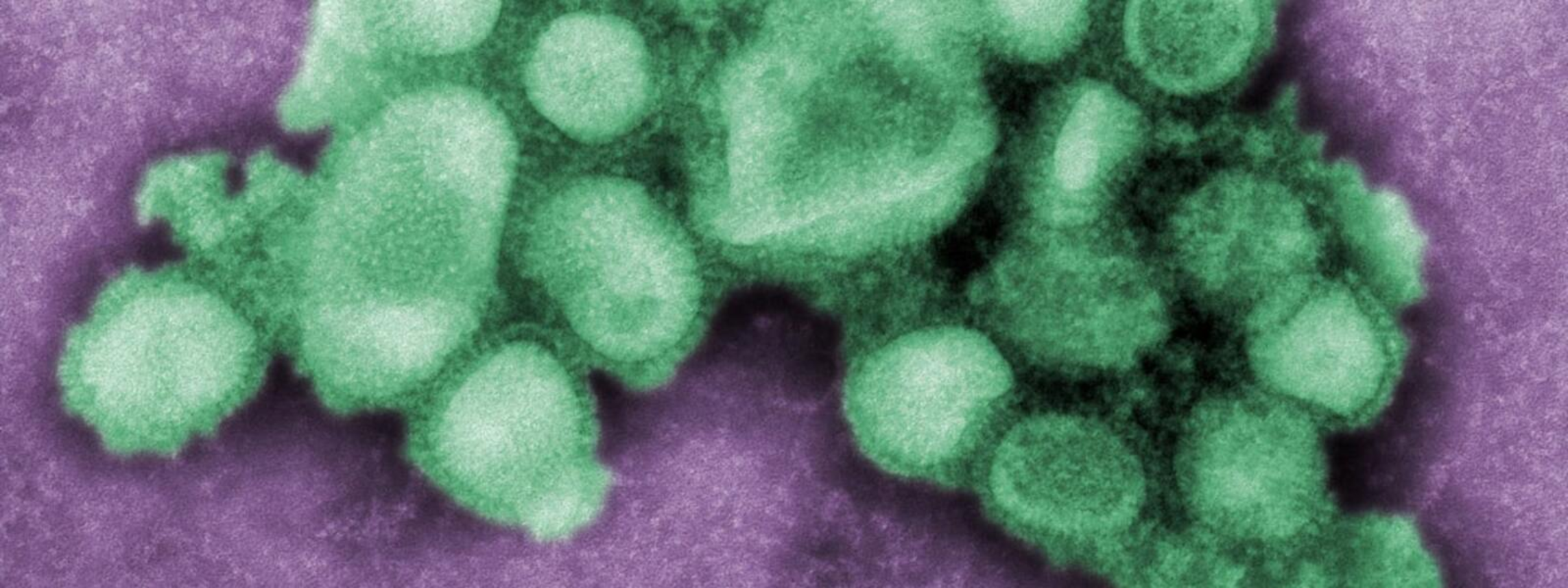
Influenza Information for Water Professionals
Key Take-Home Messages:
Influenza viruses cause respiratory illness that can be mild or serious enough to lead to hospitalization and death. Because influenza viruses are constantly changing, people can become infected with influenza multiple times in their lifetime. Some types of influenza viruses can cause severe global pandemics.
What we know from clinical surveillance:
• There are more than 1 billion cases of seasonal influenza (or “flu”) worldwide every year.
• In 2010 through 2022, seasonal flu caused 9.3 to 41 million illnesses each year in the U.S. and was consistently one of the leading causes of death.
• Influenza infection can result in complications such as pneumonia and multi-organ failure, especially in people who are older, very young, pregnant, immunocompromised, or have certain chronic conditions.
• Two types of influenza viruses infect humans: “A” viruses cause both seasonal epidemics and global pandemics, while “B” viruses only cause seasonal epidemics. There are many subtypes of “A” influenza, but not all cause human disease. How wastewater surveillance plays a role
• Wastewater surveillance shows promise as a tool for complementing clinical influenza data by providing information on community flu incidence and the timing of flu season onset and peak, possibly serving as an early indicator. • Many public health labs are already testing wastewater for influenza viral RNA, and data for more than 600 sites are being reported to the U.S. National Wastewater Surveillance System.
What wastewater workers need to know
• Positive cell cultures of influenza virus from feces have been documented, but not positive cultures from wastewater. Nevertheless, spiked infective influenza virus can persist in water matrices for days, weeks, and potentially longer depending on the nature of the matrix. Therefore, infective influenza virus may be present in wastewater during epidemics and pandemics, but this is not known for certain.
• Wastewater workers are at risk of exposure to flu from infected colleagues, primarily through inhaling or coming into contact with respiratory droplets when the infected person breathes, coughs, sneezes, or talks.
• Staying up to date on seasonal flu vaccines, understanding the effectiveness of disinfectant products, conducting job safety assessments, practicing good hygiene, and wearing appropriate personal protective equipment are important for protecting wastewater worker health and preventing influenza infection.
• Many sodium hypochlorite-, ammonia-, and alcohol-containing products are effective against influenza viruses, including the disinfectants on EPA’s “List M”.
To learn more, download the fact sheet.